
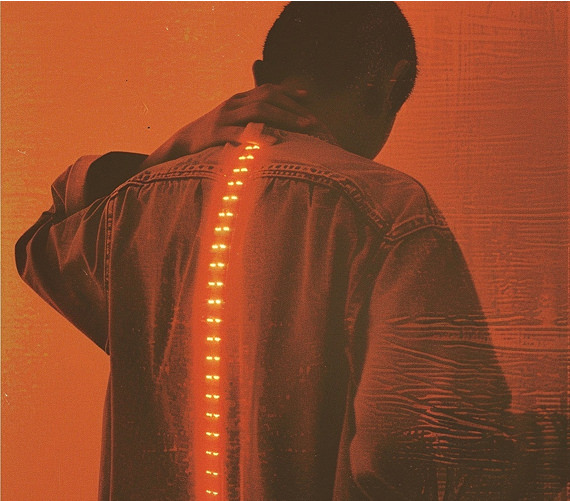
What aura can involve
Aura can include flashing or zigzag visual effects, blind spots, tingling or numbness, and speech or language disturbance.
How aura differs from the headache phase
Aura is a temporary neurological symptom pattern. It can happen before headache, during headache or occasionally without a subsequent headache. Some people experience one aura type while others have visual, sensory and language symptoms in the same attack.
Why the time course matters
Clinicians ask whether symptoms appeared gradually or suddenly, how long they lasted, whether they spread from one area to another and whether they fully resolved. Those details can help separate a familiar migraine aura from other neurological causes.
Visual aura is not the same as one-eye vision loss
Typical visual aura generally affects the visual field rather than being confined to one eye. New temporary vision loss in one eye deserves medical assessment because other eye and vascular causes need to be considered.
When not to assume it is aura
First-time weakness, speech difficulty, major visual change or other new neurological symptoms should not be self-labelled as migraine. Urgent assessment may be appropriate, particularly when symptoms are sudden, persistent or unlike a person's usual attacks.
Treatment conversations
Acute and preventive migraine strategies may still be relevant when aura occurs, but treatment choice depends on the person's overall migraine pattern and medical history. Aura status can also matter in discussions about hormonal contraception and vascular risk.
Understanding migraine with aura
This page explains the recognised pattern associated with migraine with aura and where it sits among migraine and headache disorders. Headache conditions can overlap, and the same person can experience more than one headache pattern.
Go to the original sources.
Clea checks source material, but PBS listings, medicine information and treatment access can change. Confirm current details with the TGA, PBS, your pharmacist or treating clinician.
How Clea sources and reviews migraine information →