
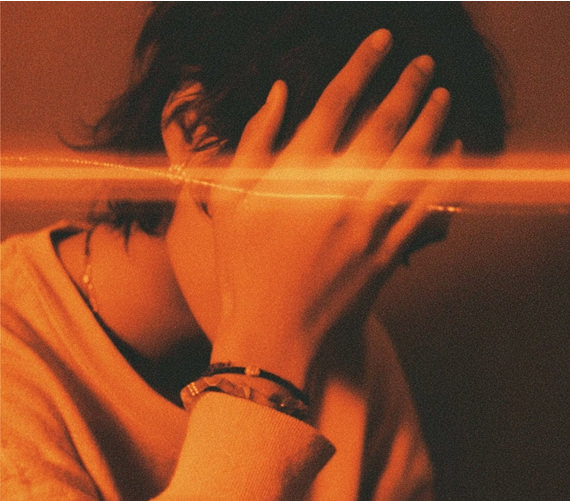
More than a headache
Migraine can affect pain processing, sensory sensitivity, balance, thinking, mood and the gastrointestinal system. Some people have prominent headache; others may experience dizziness, aura or nausea as major features.
- Head pain can be one-sided or bilateral
- Movement can worsen symptoms
- Light, sound and smell sensitivity are common
- Some attacks happen without headache
Why migraine looks different between people
Genetics, hormones, sleep, stress, environment and other health factors can all influence the pattern. Even the same person can have attacks that look different from one month to the next.
Understanding what is migraine?
What is migraine? can be part of the wider migraine picture, but the meaning depends on timing, frequency, associated symptoms and whether this is a familiar or changing pattern for you. Clea focuses on helping you organise those details rather than turning one symptom into a diagnosis.
How it fits into migraine
Migraine is a neurological condition that can affect pain, sensory processing, balance, thinking, mood and the gastrointestinal system. Symptoms can occur before, during or after head pain, and some migraine attacks occur without prominent headache.
What else can look similar
Many symptoms are not specific to migraine. A clinician may need to consider other headache disorders, medicines, sleep, infection, hormonal factors, eye or ear conditions, musculoskeletal problems, neurological disorders or other causes depending on the symptom and examination.
What to notice
The useful question is not simply whether what is migraine? happened once. Look for a repeatable pattern across attacks: when it appears, how long it lasts, what other symptoms occur with it and how much it changes normal activity.
- Timing and duration
- Frequency
- Symptoms that occur with it
- Impact on work, school or daily life
- What you tried and what happened next
What to track in Clea
Record headache or migraine days, severity, associated symptoms, medicines used and the context around the episode. Several weeks of consistent observations are usually more useful than trying to prove a cause from one attack.
- Headache and migraine-like days
- Severity and function
- Associated symptoms
- Acute medicine days
- Anything that changed around the pattern
Go to the original sources.
Clea checks source material, but PBS listings, medicine information and treatment access can change. Confirm current details with the TGA, PBS, your pharmacist or treating clinician.
How Clea sources and reviews migraine information →